
Our People
Antony Fairbanks
I am currently a Professor of Chemistry at the University of Canterbury (UC), in the School of Physical and Chemical Sciences (SPCS), which was formed by amalgamation of the former Departments of Chemistry and Physics. My main field of expertise is in synthetic organic chemistry, particularly in the field of carbohydrates, where I have been research-active for more than 35 years, and have published over 160 articles, and written a textbook. However, during this time my group has, out of necessity, developed research expertise in other diverse fields, ranging from molecular and cell biology to surface science, electrochemistry, and the synthesis and study of nanoparticles. Such is the breadth of modern research that chemistry underpins, and at the end of the day it is up to the chemist to get their head around it all. Chemistry is the ‘central science’, and whenever molecules are involved, it all comes back to the fundamentals of chemistry.
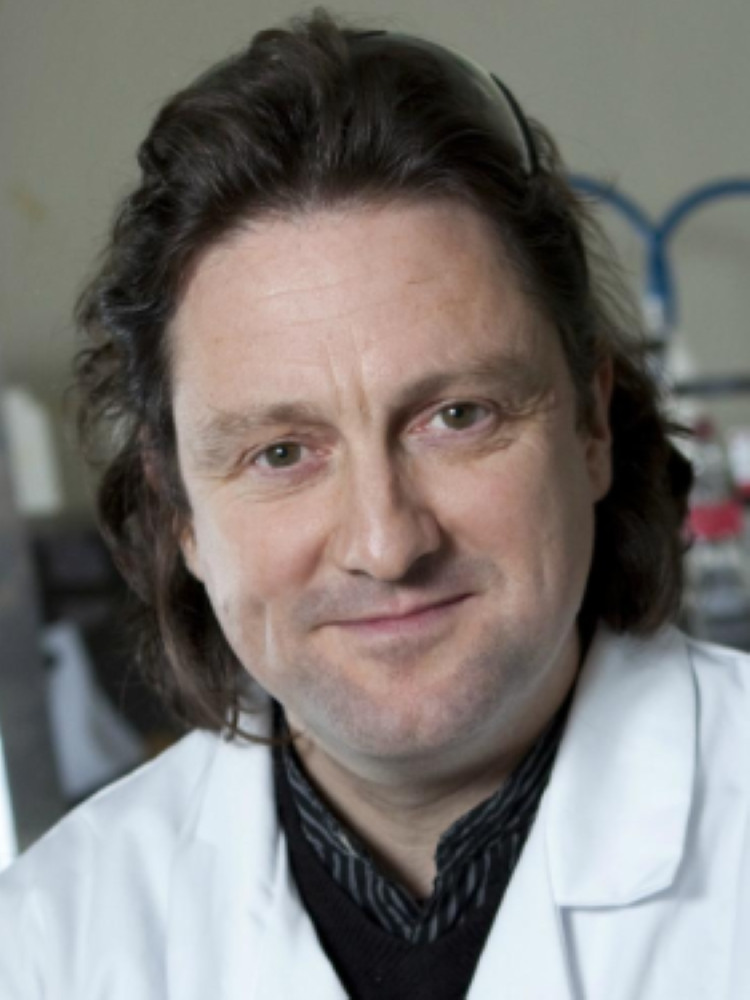
Before I left the UK in 2009, I had been a member of the Royal Society of Chemistry (RSC) for many years, but my allegiance changed upon my arrival in New Zealand, and so I left the RSC and joined the New Zealand Institute of Chemistry (NZIC). I have to say that I think science tends to get a rough deal in NZ, where intellectual prowess and academic excellence are oft frowned upon, and sometimes even belittled, in contrast with say sporting achievements that ride high in the national psyche. Organistions that nourish and foster intellectual endeavour and creativity are vitally important in such environments. For me the NZIC is therefore the entity that brings together those of us who value the remarkable insights that a molecular understanding of the world around us gives us. The NZIC also has key roles in promulgating the vital importance of chemistry as a subject, particularly in a country which does not have extensive chemical or pharmaceutical industries. Many potential students overlook chemistry as a discipline for further study, perhaps being drawn towards medicine thinking that therein lies a career pathway that will have more impact. That was one of the reasons why I recently created a major in medicinal chemistry at UC; to showcase the fact that it is actually chemists who design and make the new molecules that will end up as new life-saving drugs.