
Our People
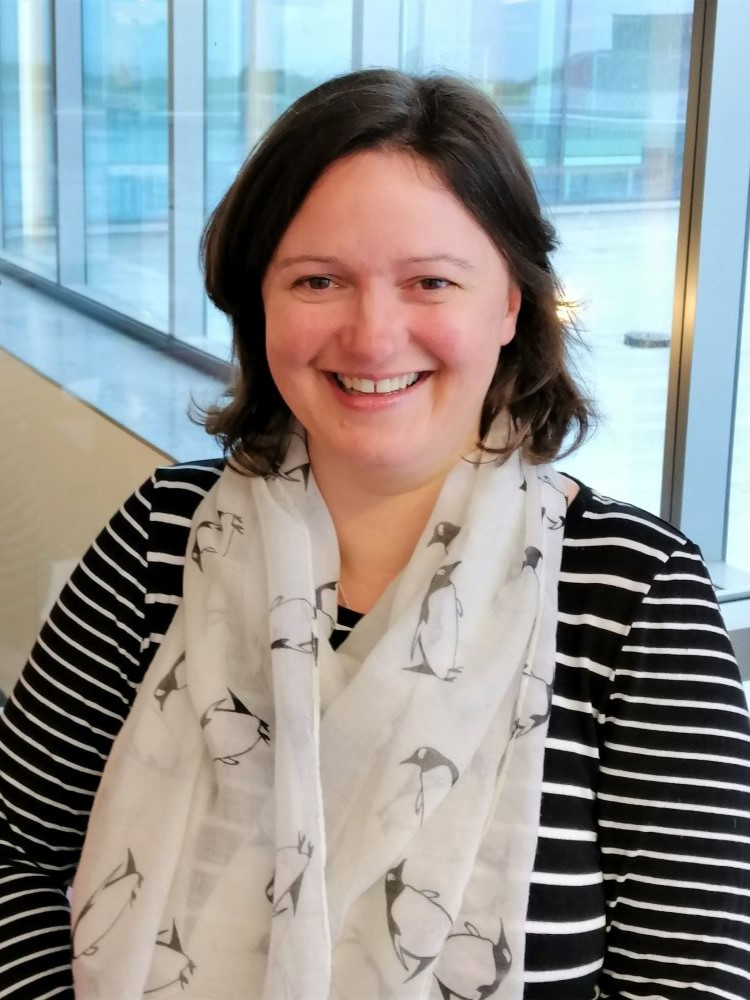
Sarah Masters
I am a computational and experimental chemist specialising in advanced materials modelling and molecular-scale structural analysis. My research integrates high-precision gas-phase experimental techniques with advanced quantum chemical modelling to reveal structure-property-reactivity relationships in molecules and functional materials. I use experimental data to calibrate and validate theoretical models, ensuring predictive accuracy and chemical reliability. In parallel, my computational investigations provide insight into electronic structure, energetics and reaction mechanisms that cannot be accessed experimentally. This synergistic modelling-experiment framework enables development of robust, transferable models for complex chemical systems.
I have also established advanced computational infrastructure and multimodal data analysis pipelines that integrate diverse experimental and theoretical datasets to deliver highly accurate, fully resolved molecular structures.
Current research areas include:
Materials and Energy Related Modelling — Computational studies of materials relevant to clean energy, including hydrogen storage materials, MXenes, perovskites and sodium solid-state batteries, supporting innovation in clean energy, energy storage, and low-carbon technologies (UNSDG 7, 13).
Sustainable Reaction Mechanisms — Quantum chemical exploration of mechanistic pathways such as surface-mediated nitrogen-reduction reactions, with applications in sustainable fertiliser production, natural systems chemistry, and renewable-energy technologies (UNSDG 2, 7, 13).
Integration of Theory and Experiment – Combining high-precision experimental gas-phase data with computational chemistry to interpret molecular behaviour and provide fundamental support to validate theoretical models.
The New Zealand Institute of Chemistry represents both my professional identity as a chemist and my personal commitment to the chemistry community in New Zealand. Professionally, it provides a connection to colleagues across academia, industry, and research, and an opportunity to contribute to the advancement of chemistry, education, and scientific excellence. Personally, it reflects my passion for chemistry, the value I place on collaboration and mentorship, and my desire to support and inspire the next generation of chemists. Being part of the NZIC is an opportunity to give back to a profession that has shaped my career and continues to be an important part of who I am.